The Government has launched an expansion of youth apprenticeships over the next three years to tackle youth unemployment.
As part of the package, the Government will cover the full cost of apprenticeships for eligible young people under 25 at small and medium-sized businesses. But anyone over the age of 25 misses out.
Our Communications Coordinator Yasmina Magdy explains why this is unreasonable:
I’m autistic and I have experienced homelessness, so believe me when I say securing a job is extremely difficult for young people, especially those who are neurodivergent. I believe mainstream processes are discriminatory and cutting off eligibility for the youth apprenticeship scheme at the age of 25 is unreasonable.
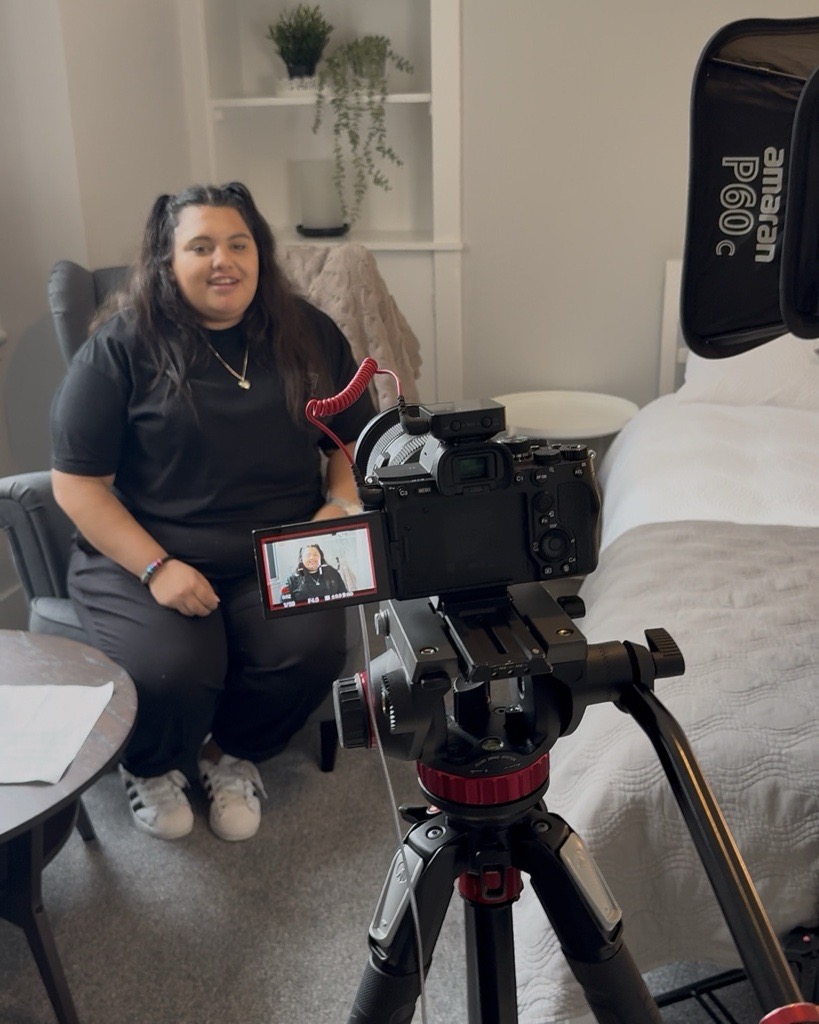
I read an article by Frank Gibson in the Times. The title was ‘I was on £100k. Now I’m on my first trip to the job centre at 48.’ Firstly, congratulations on him for reaching 48 and not needing to visit the Government’s Jobcentre until then. The job centre became my second home for most of my teens and early twenties and I know many young people with additional needs can relate.
Unless you are extremely lucky and know the right people, you can’t just walk into a shop, hand your CV in, be invited for an interview and get a job offer. Most of the time young people fight against thousands of other applicants for one job. The job description, even if for a cleaner or shop assistant, usually requires at least a years’ worth of experience. This is difficult to complete when you are studying for GCSEs or A Levels and battling challenges such as a lack of family support, homelessness or neurodivergence.
Frank discusses how he would need to ‘earn more than £80,000 just to cover fixed costs’ such as his mortgage, credit card debt, utility bills and take care of his four children. At the time of writing this, the Minimum Income Standard provides a vision of the living standards that we, as a society, agree everyone in the UK should be able to meet. I was shocked to discover that a single person needs to earn £30,500 a year to reach a minimum acceptable standard living in 2025. In 2024, young people aged 25 to 29 earned £17.10 an hour on average and 25 to 29 year olds with a disability earned significantly less than those without a disability, according to latest Government statistics.
I struggled with knowing what I wanted to do for a very long time. I was in and out of my local Jobcentre trying different things – from Christmas temp jobs knowing that I wasn’t going to be kept on – to hospitality jobs in which I was told I was working too slowly. At the same time, I was trying to maintain some kind of relationship with my family amid a very unsettled teenage life.
Having a disability made it difficult to interact with the Jobcentre. For example, I explained to my job coach that I struggled using public transport, but I was still expected to look for work within a 25-mile radius of my home address. I explained that I struggled in busy environments, but they still wanted me to apply for job roles in busy supermarkets, retail stores and restaurants. I believe I was met with discrimination, intended or not.
It wasn’t until 2018 when I finally found a course that I enjoyed at my local college and started to develop a passion. But fast forward two years and bang – COVID-19 hit. It changed everything. I had work experience planned and three job interviews but this was all taken away from me within the space of weeks.
My mental health plummeted as a result, and I had no other option but to sign on at the Jobcentre again. My anxiety was so high that I took mum with me for moral support. I remember walking into this big office and just feeling panicked. There was no way I was ready to work. I had already been through so many jobs in life that I’d struggled to maintain. A few apprenticeship programmes had ended up going nowhere and my self-confidence was low.
I applied for Limited Capability for Work and Work-Related Learning – a status within the UK benefits system for people with severe health conditions or disabilities that prevent them from working or preparing for work. But I felt like a failure. My cousin had a job in the army. My sister has always been employed. I felt like I was the one who let the family down.
It wasn’t until 2022, at 28 years old, when I received my official diagnosis. I was autistic. Everything made sense. I started working on getting my own flat and finding out who I was. But in March 2023, I experienced homelessness. I was still studying for my degree. I was working part time as a sales advisor for a local fashion company that went into liquidation. November of that year I found long-term accommodation through my local council. I had graduated from my undergraduate degree and started my Masters. I still didn’t have a job.
In 2024, I applied for the role of a Communications Coordinator at EveryYouth after attending a Project Flourish panel in March. Project Flourish, created in collaboration with Hays, is a pro-bono recruitment service specifically designed to help young people at risk of homelessness into jobs. I was standing in the library just about to press upload on my final assignment for the first year of my master’s when I got the call. I cried. I did it. I got a full-time job after all these years!

Now there was just anxiety about getting through the probation period that I needed to contend with. I woke up in night sweats every night thinking: ‘I’m not good enough. Why have they chosen me to do this job?’ I believe I struggle with self-confidence because of how many jobs I’ve been turned away from, how I have been treated by the job centre, and what I’ve been through personally.
EveryYouth understood this. Reasonable adjustments were put in place because of my autism. They moved my probation period forward and I calmed down. But the challenges continued. My first manager found a new job, so I had to figure out how to adjust to someone new. Each time a change happens, I get better at managing it. It’s taken me a long time to get to this point and without the support and understanding from EveryYouth, I could have been out of a job ages ago.
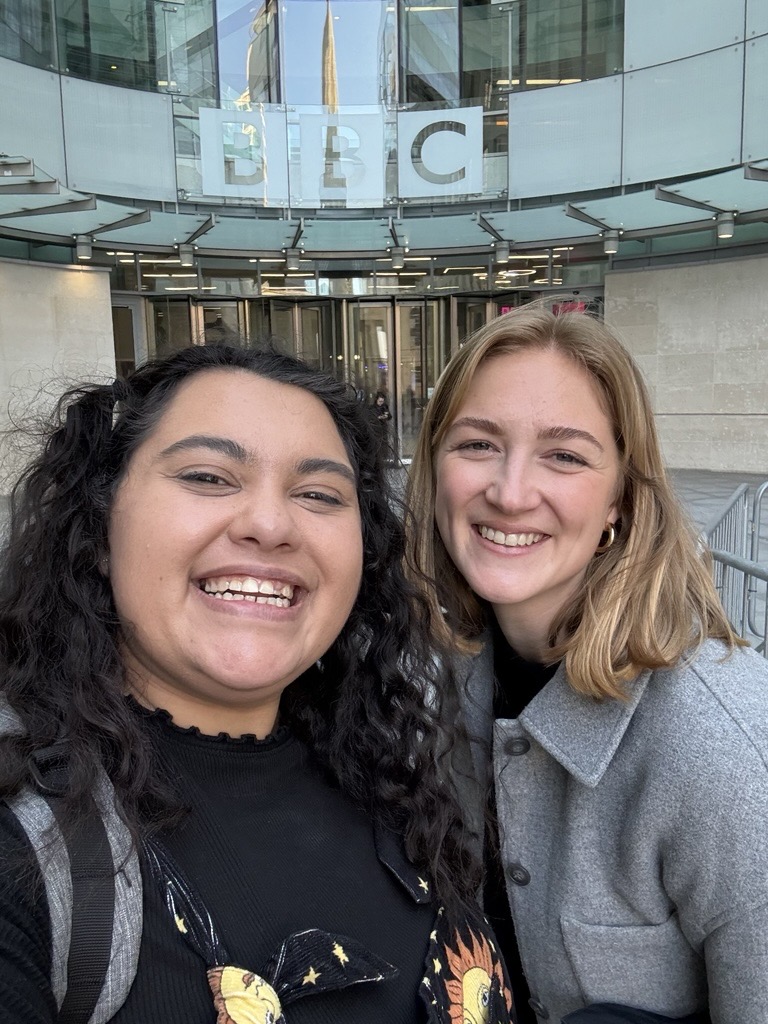
Disabled young adults like me want to work. We have the ability to work but we need that extra support and understanding from Jobcentre and employers to help us achieve what many other people find easy. That’s the same for any young person who has experienced homelessness.
The Government has launched an expansion of youth apprenticeships to tackle youth unemployment, with one in eight young people not in education employment or training, but it needs to include people over the age of 25.
People with neurodiverse conditions are finishing university later. People who have experienced homelessness are struggling to secure employment, education or training into their late 20s and beyond due to a competitive job market, stigma and trauma among other issues. This is why apprenticeship support shouldn’t be cut off at the age of 25, especially for young people who are neurodiverse or at risk of homelessness.
It’s estimated that around 30-34% of autistic adults are in some form of employment, but according to the National Autistic Society around 77% of unemployed autistic people want to work. With appropriate support and adjustable measures at work, and understanding from line managers or supervisors, these people can thrive within a working environment and bring different ways of thinking that can be hugely advantageous to the employer too.
Employers must be better educated at supporting young people. It’s not about getting people off Universal Credit, it’s about treating young people with respect and finding out the best support for each individual.
Read the Government’s full package of reforms.